Social theory, gender studies, development sociology, demography and social research methods.
The Department of Sociology, Gender and Development Studies is one of the largest departments in the School of Law, Arts and Social Sciences of Kenyatta University. It emerged from the merger of the former Department of Sociology and the former Department of Gender & Development Studies during the University restructuring in 2018. The renaming of the Department underscores the interconnectedness of sociological aspects and gender and development. Thus, the study of Sociology and Gender is critical in national development. Gender cuts across all sectors of socio-economic development.
The department is committed to the production of highly qualified human resource to drive the economy. With its dedicated faculty from across Sociology and Gender and Development Studies, the Department equips learners with skills that address social issues including gender inequalities in all sectors of the society – a necessary condition for inclusive and sustainable development. The department therefore offers relevant academic programmes geared towards strengthening and advancing scholarship, research and policy formulation, all aimed at achieving gender equity and seeking plausible solutions to societal issues. We endeavour to establish collaborations and create partnerships and linkages with like-minded actors within the fields of sociology and gender mainstreaming.
The discipline of Sociology offers a variety of programmes in various areas of specialization such as Demography and Population Studies, Marriage and Family, Industrial Sociology, Medical Sociology, Social Gerontology, Urban and Rural Sociology, Social Policy, Group Dynamics and Collective Behaviour, Community Development, Social Planning and Evaluation, Studies on Childhood and Youth, among others. Students graduating with a degree in Sociology can find job opportunities in Non-Governmental Organisations (NGOs), development donors and agencies, government ministries, state agencies and departments, academia/universities, and research organizations both locally and internationally.
The discipline of Gender and Development Studies offers a variety of academic programmes. Broadly, the programmes are designed to address such issues as gender disparities in all sectors of the economy, and mainstreaming gender in policy formulation and in socio-economic and development programmes. Career opportunities in the area of gender and development are in Non-Governmental Organisations (NGOs), UN agencies, government institutions, self-employment/consultancy, and research and teaching.
The following statements continue to guide the operations and procedures of the Department of Sociology, Gender and Development Studies:
To be a Department of gender responsive professionals and researchers distinguished by diligent inquiry, critical reflection, dynamism, inclusiveness, innovation and self–reliance.
To provide quality education and training that encourages utilization of skills and values that recognize gender inclusiveness in social and economic development and society.
A community of sociologically oriented and gender responsive scholars committed to the promotion of awareness for societal transformation.
Promotion of a socially just and gender responsive society founded on the recognition of gender equity and equality for all.
The Department of Sociology, Gender and Development Studies specifically addresses issues that pertain to:
The objectives of the Department of Sociology, Gender and Development Studies are to:
The department offers programmes from diploma to doctoral level in Sociology, Community Development and Gender and Development Studies.
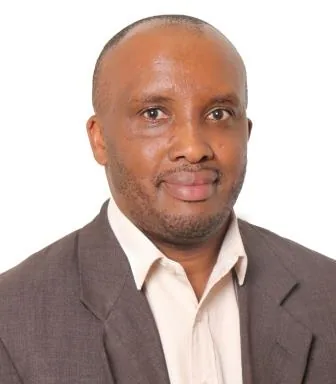
The Department has three members of non-teaching staff who serve in different roles supporting the departmental operations.
Meetings of the department and its committees in the 2026/2027 academic year.
| Date | Day | Time | Function | Venue |
|---|---|---|---|---|
| August 2026 | ||||
| 20 | Thursday | 9.30 am | Departmental Staff Meeting | BSSC |
| September 2026 | ||||
| 8 | Tuesday | 9.30 am | Postgraduate Committee Meeting | Virtual |
| 15 | Tuesday | 10.00 am | QMS Committee Meeting | Resource Room |
| 28 | Monday | 10.00 am | Departmental Programmes Development and Review Committee Meeting | Resource Room |
| October 2026 | ||||
| 1 | Thursday | 10.00 am | Departmental Board of Examiners Meeting | Graduate School, 2nd Floor |
| 6 | Tuesday | 9.30 am | Postgraduate Committee Meeting | Virtual |
| 22 | Thursday | 9.30 am | QMS Committee Meeting | Resource Room |
| November 2026 | ||||
| 10 | Tuesday | 9.30 am | Postgraduate Committee Meeting | Virtual |
| 25 | Wednesday | 10.00 am | Departmental Staff Meeting | BSSC |
| December 2026 | ||||
| 8 | Tuesday | 9.30 am | Postgraduate Committee Meeting | Virtual |
| January 2027 | ||||
| 14 | Thursday | 10.00 am | Departmental Staff Meeting | BSSC |
| 22 | Friday | 9.30 am | Postgraduate Committee Meeting | Virtual |
| February 2027 | ||||
| 4 | Thursday | 9.30 am | Departmental Board of Examiners Meeting | Graduate School, 2nd Floor |
| 16 | Tuesday | 9.30 am | Postgraduate Committee Meeting | Virtual |
| 25 | Thursday | 9.30 am | Departmental Board of Examiners | Graduate School, 2nd Floor |
| March 2027 | ||||
| 16 | Tuesday | 9.30 am | Postgraduate Committee Meeting | Virtual |
| 25 | Thursday | 9.30 am | Programmes Development and Review Committee Meeting | Resource Room |
| April 2027 | ||||
| 13 | Tuesday | 9.30 am | Postgraduate Committee Meeting | Virtual |
| 26 | Monday | 9.30 am | QMS Committee Meeting | Resource Room |
| May 2027 | ||||
| 11 | Tuesday | 9.30 am | Postgraduate Committee Meeting | Virtual |
| 20 | Thursday | 10.00 am | Departmental Board of Examiners | Graduate School, 2nd Floor |
| June 2027 | ||||
| 14 | Monday | 9.30 am | Postgraduate Committee Meeting | Virtual |
| 25 | Friday | 9.30 am | Departmental Staff Meeting | Resource Room |
External examiners review the department’s examinations and assessment to assure the quality of its programmes.
| # | Service provided | Requirements | Charges | Time |
|---|---|---|---|---|
| 1 | Response to phone calls (landline and any other official line) | Phone call | Free | 15 seconds |
| 2 | Response to enquiry by walk-in clients | Walk in and make the enquiry | Free | 1 minute |
| 3 | Response to correspondence | Written correspondence (letters) | Free | 5 working days |
| 4 | Response to public complaints and grievances | Email and social media (Twitter, Facebook & YouTube) | Free | 1 working day |
| 5 | Resolution of complaints | Make a complaint | Free | 14 working days |
| 6 | Unit registration | Student Unit Registration Form filled with the units to be taken | Free | 5 minutes |
| 7 | Unit adjustment | Units Adjustment Form with the units to be adjusted | Free | 5 minutes |
| 8 | Examination results queries | Customer Complaints Register filled at the Exams Office | Free | 1 working day |
| 9 | Recommendation/introductory letters | Draft introduction letter and student identity card | Free | 1 working day |
We are committed to courtesy and excellence in service delivery.
Any service rendered that does not conform to the above service standards, or any officer who does not live up to the commitment of courtesy and excellence in service delivery, should be reported to:
Huduma bora ni haki yako