
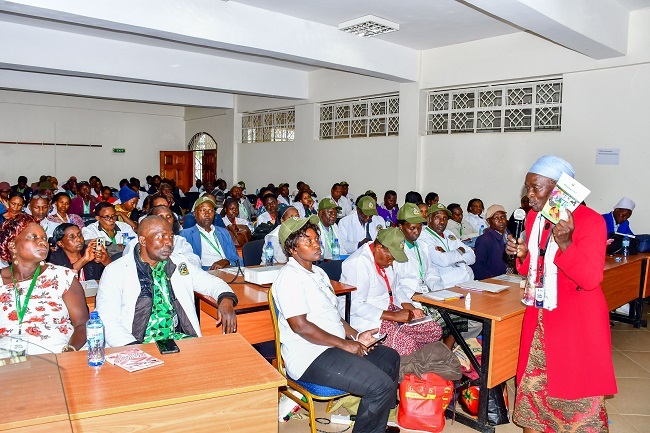
Kenyatta University (KU), through its National Phytotherapeutics Research Centre (NPRC), is strengthening quality, safety and sustainability in Kenya’s traditional medicine sector by equipping practitioners with scientific skills to improve the production of herbal products.
The NPRC recently hosted a two-day Herbs Processing and Quality Assurance Training for traditional medicine practitioners from counties across Kenya, bringing together traditional knowledge and modern scientific approaches to herbal medicine production.
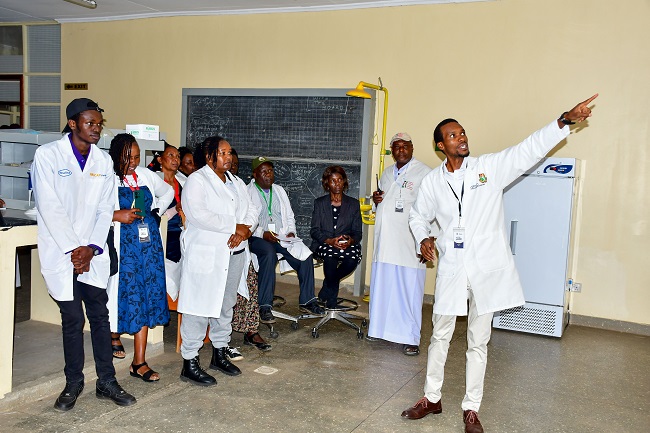
Led by KU experts including Dr. Paul Ogutu, Director, NPRC, Prof. Paul Mbugua, Ms Catherine Njeru, Dr. Meshack Onyambu, Nancy Nyawira, Catherine Macharia and Dr. Paul Magutu, the training covered key areas of herbal product quality and safety. These included Good Agricultural and Collection Practices, post-harvest processing, facility design and sanitation, sustainable harvesting and conservation of medicinal plants, product safety, marketing, compliance and ethics, microbial testing, Good Manufacturing Practices, formulation and the development of Standard Operating Procedures.
The practical component took participants into the NPRC laboratories, where they observed scientific testing processes and received guidance on preparing and submitting herbal samples for analysis. The exposure demonstrated how laboratory-based microbiological and chemical testing can support efforts to improve the safety and quality of herbal products.
By connecting indigenous knowledge with scientific research and quality assurance, the initiative is helping practitioners strengthen production standards while promoting the responsible use and conservation of Kenya’s medicinal plant resources. It also reinforces the role of KU’s specialised research infrastructure in supporting the development of a more professional and evidence-informed traditional medicine sector.
At the official opening of the training, Dr. Susan Musembi, Director of Innovation, Incubation and University–Industry Linkages, represented Prof. Caroline Thoruwa, Deputy Vice-Chancellor, Research, Innovation and Outreach. She welcomed the practitioners and reaffirmed KU’s commitment to working with them throughout their traditional medicine journey.
Through research, training and laboratory support, KU continues to create pathways through which traditional knowledge can engage with scientific practice, advancing safer herbal products while helping safeguard Kenya’s indigenous medicinal heritage.