
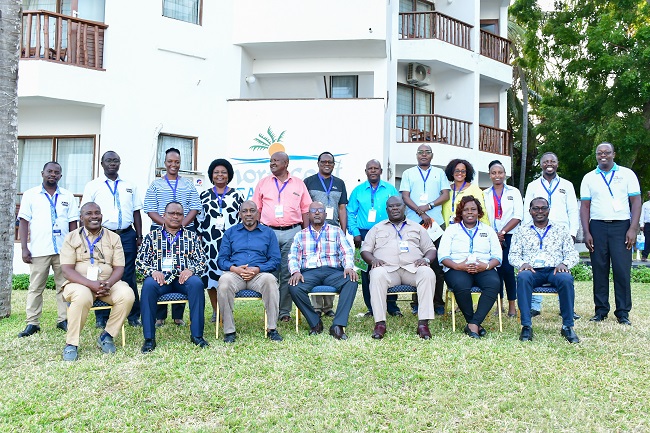
Kenyatta University is hosting the 1st International Multidisciplinary Conference on Indigenous Knowledge Systems and Sustainability at North Coast Beach Hotel, Kikambala, Kilifi, bringing together scholars, researchers, policymakers, development partners and practitioners from Kenya and across the globe to explore the role of indigenous knowledge in advancing sustainable development.
The conference provides an interdisciplinary platform for knowledge exchange, collaboration and innovation, with discussions centred on harnessing indigenous knowledge systems to address contemporary global challenges and contribute to sustainable development.
The event commenced with delegate registration, networking and a photo session before the official opening ceremony at Mwangaża Hall. Welcoming delegates, Mr. David Ndung’u, General Manager of North Coast Beach Hotel, highlighted the hotel’s modern conference facilities and assured participants of a safe, secure and comfortable environment throughout their stay. He also expressed appreciation to Kenyatta University for selecting the hotel as the venue for the inaugural conference.
Delivering the opening remarks, Dr. James Kathuri, Director of Kenyatta University Mombasa Campus and Chairperson of the Conference, welcomed delegates and underscored the strategic role of the University’s Mombasa Campus in advancing research, innovation and community engagement along Kenya’s Coast. He noted that the conference offers an opportunity to strengthen collaboration among researchers, institutions and communities while promoting indigenous knowledge as a catalyst for sustainable development.
Prof. Mildred Nawiri, Registrar, Corporate Affairs, welcomed delegates, particularly those who had travelled from different countries, and encouraged participants to actively engage in discussions, network and build lasting professional partnerships throughout the conference. She later invited Prof. John Paul Oyore, Ag. Registrar, Research, Innovation and Outreach, who represented Prof. John Okumu, PhD, KNAS, Ag. Vice-Chancellor, Kenyatta University, to deliver the Vice-Chancellor’s address.
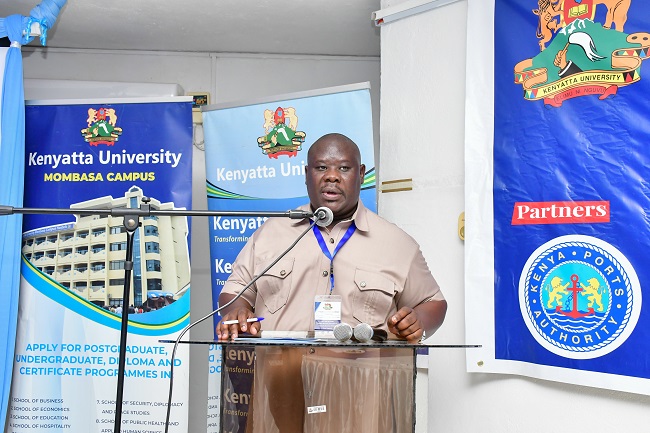
Prof. Oyore emphasised that the knowledge and ideas generated during the conference should extend beyond academic discussions to benefit communities across Kenya, Africa and the world. He noted that indigenous knowledge remains a valuable resource for addressing contemporary challenges and called for greater efforts to preserve, document and integrate it into research, policy and development. He thanked delegates for their participation and encouraged them to draw on the wisdom of past generations to build a more sustainable future.
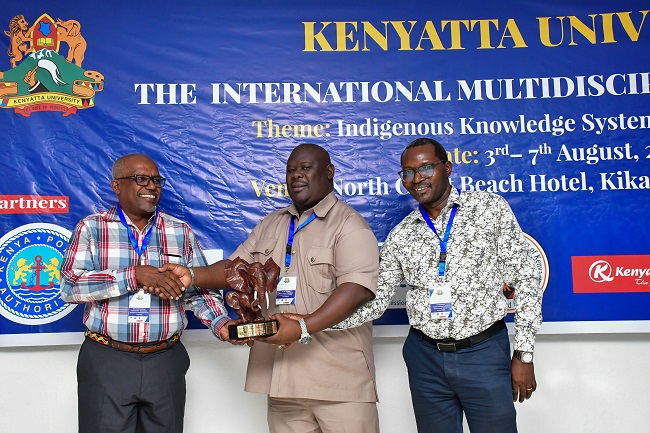
The conference was officially opened by the Chief Guest, Prof. Mohamed Rajab, who highlighted the significance of indigenous knowledge systems in promoting biodiversity conservation, food security and sustainable livelihoods. He noted that indigenous knowledge aligns closely with the aspirations of the Sustainable Development Goals (SDGs) and called for its integration into education, research and policy development. He further underscored the value of multidisciplinary collaboration in bridging traditional wisdom with modern science before officially declaring the conference open.
The opening day featured a series of keynote presentations by distinguished scholars and experts. Prof. Hamadi Iddi Boga, Vice President, Program Delivery, Alliance for a Green Revolution in Africa (AGRA), delivered a keynote address on “From Research to Markets: Unlocking the Commercial Potential of Africa’s Indigenous Crops through Innovation Ecosystems and Strategic Partnerships,” highlighting the need to strengthen innovation ecosystems, strategic partnerships and market linkages to commercialise Africa’s indigenous crops.
A keynote address by Prof. Stephen Irura Ng’ang’a, Deputy Vice-Chancellor, Finance, Administration and Planning, Garissa University, delivered on his behalf by Dr. Francis Omillo, explored “Open Science: Bridging Digital Transformation and Indigenous Knowledge,” demonstrating how digital transformation and open science can enhance the preservation, accessibility and application of indigenous knowledge.
Delegates also heard a keynote presentation by Dr. James Gichiah Njogu, HSC, Ag. Secretary General/CEO of the Kenya National Commission for UNESCO, titled “From Community Entitlements to Nature-Based Solutions: The Strategic Role of Indigenous Knowledge Systems in Biodiversity Conservation and Sustainable Development.” He emphasised the importance of recognising indigenous knowledge systems as critical resources for biodiversity conservation, environmental stewardship and sustainable development while advocating for stronger integration of community knowledge into policy and development frameworks.
The conference continues with plenary sessions, paper presentations and interactive discussions, providing participants with opportunities to exchange ideas, strengthen partnerships and advance indigenous knowledge systems as a foundation for sustainable development in Kenya, Africa and beyond.