
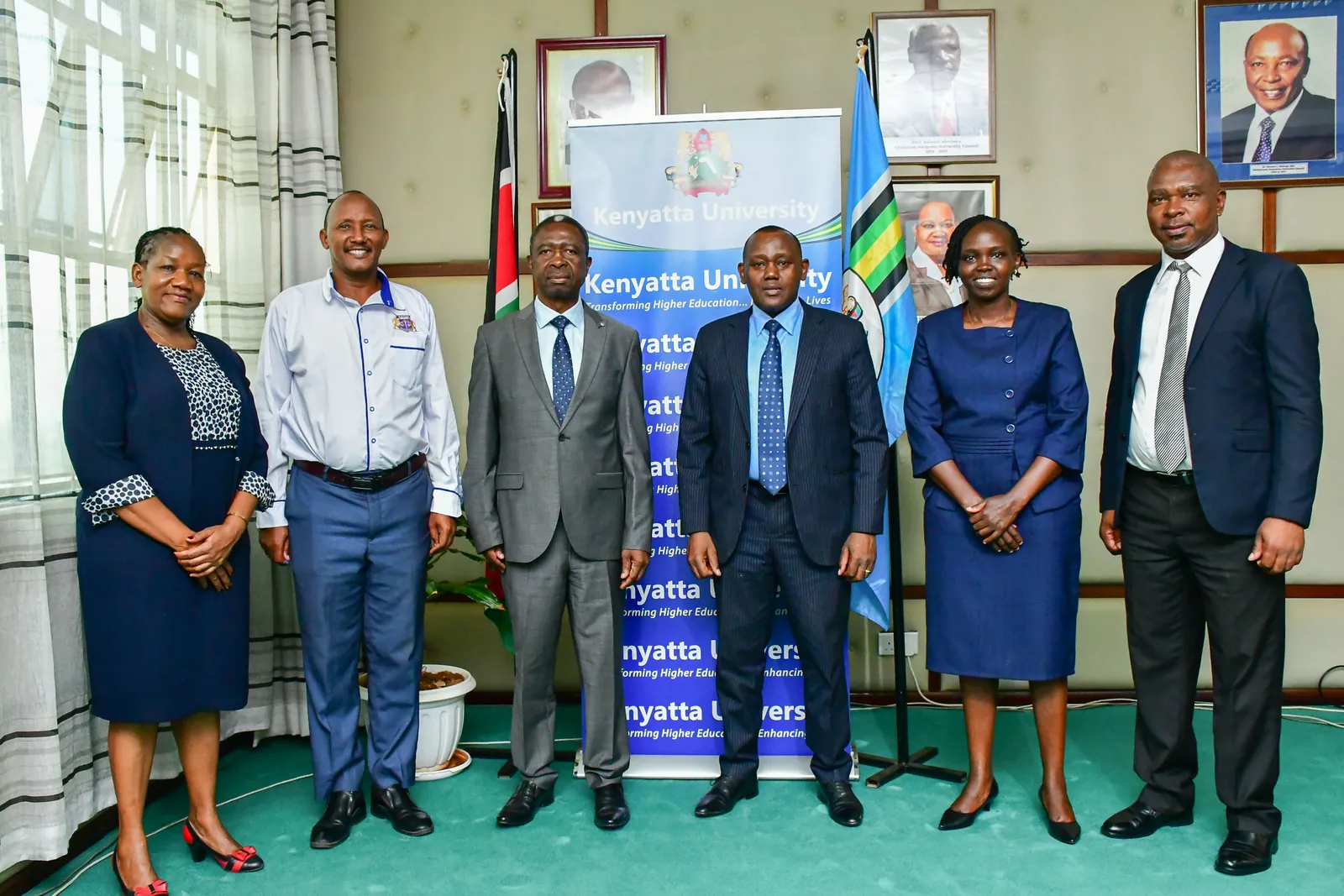
Kenyatta University (KU) has stepped up efforts to strengthen institutional integrity and accountability through a collaborative capacity-building initiative with the Ethics and Anti-Corruption Commission (EACC), targeting 40 Integrity Assurance Officers.
The initiative brings together the University and the national anti-corruption agency in a one-week training programme designed to strengthen the capacity of designated officers to advance ethical conduct, accountability and integrity within the institution.
The programme was preceded by a courtesy call by an EACC delegation led by Senior Programme Officer Gorai Galgallo, who met the University's Vice-Chancellor, Prof. John Okumu, on Monday, November 9, 2026. The delegation comprised three officers, including Galgallo, and briefed the University leadership ahead of the training.
The engagement underscores the importance of institutional collaboration in building effective integrity systems, particularly within public institutions entrusted with delivering essential services and managing public resources.
For KU, the initiative resonates with its institutional philosophy of responsiveness to societal needs and its mission to provide quality education while inculcating moral values for sustainable individual and societal development.
The training also reinforces the University's commitment to embedding integrity beyond institutional policy, positioning ethical conduct as an essential component of professional responsibility and effective service delivery.
The programme was officially opened by Prof. Okumu, following remarks by the Acting Deputy Vice-Chancellor (Administration and Finance), Prof. Paul Gachanja, and an address by EACC Senior Programme Officer Galgallo.
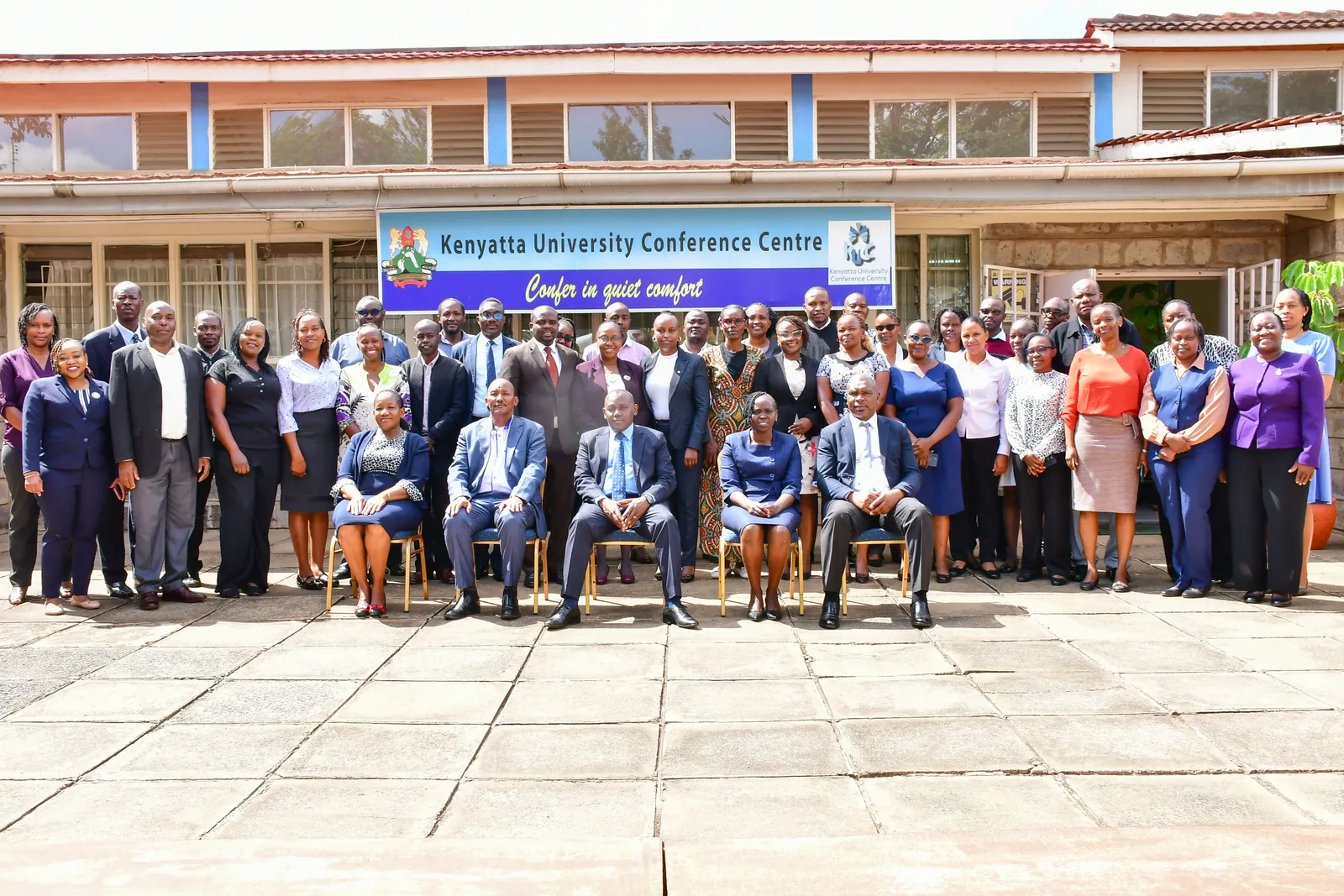
The University's Directorate of Quality Management Systems and Performance Contract, led by Director Dr. John Ndiritu, coordinated the programme, reflecting the role of quality assurance structures in strengthening institutional performance and accountability.
The initiative aligns with KU's core values of effective service, professionalism, integrity, impartiality and accountability. It also provides an opportunity to reinforce the role of Integrity Assurance Officers in promoting an organisational culture where ethical standards inform everyday institutional practices.
As institutions face increasing expectations for transparency, responsible leadership and public accountability, investing in the capacity of personnel entrusted with safeguarding integrity is critical to building public confidence.
Through its engagement with EACC, KU continues to demonstrate the importance of proactive institutional measures in advancing ethical governance and strengthening the values that underpin its service to society.