Over four decades of academic excellence, research and nation-building
Kenyatta University (KU) was established as a constituent college of the University of Nairobi in 1970, and was granted its own charter in 1985. Named after Kenya's founding father, Mzee Jomo Kenyatta, the university has grown from a small teacher training college into one of East Africa's largest and most respected institutions of higher learning.
From its humble beginnings with a few hundred students, KU today enrolls over 80,000 students across undergraduate, postgraduate and doctoral programmes. The university operates multiple campuses across Kenya, with the main campus located in Kahawa, Nairobi County.
Over the decades, KU has built a strong reputation for teacher education, science and technology, public health, law, and business studies, producing graduates who are contributing meaningfully to Kenya's development and beyond.
A globally competitive, research-led university committed to excellence in teaching, research, innovation and service to society.
To provide quality education, conduct research and disseminate knowledge for the sustainable development of Kenya and the world.
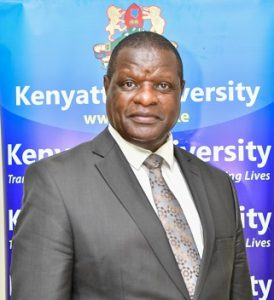
The Chancellor is the titular head of Kenyatta University, appointed in accordance with the Universities Act and the Kenyatta University Charter. The Chancellor presides over all graduation ceremonies, confers degrees, diplomas, and certificates upon graduands, and champions the university's interests at the highest levels of national and international affairs.
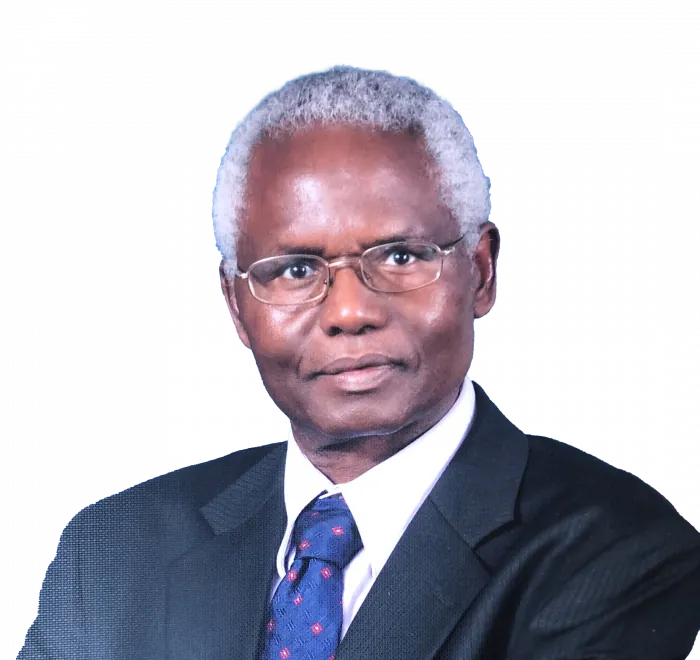
Ambassador Dr. Francis K. Muthaura, MBS EGH is an accomplished diplomat and public servant who has served Kenya at the highest levels of government. He holds a Certificate from Georgetown University, a Diploma in International Relations, and a Bachelor of Arts from the University of Nairobi. He has been conferred with honorary doctorates by Kenyatta University, Multimedia University of Kenya (MUST), and Kenya Methodist University (KEMU).
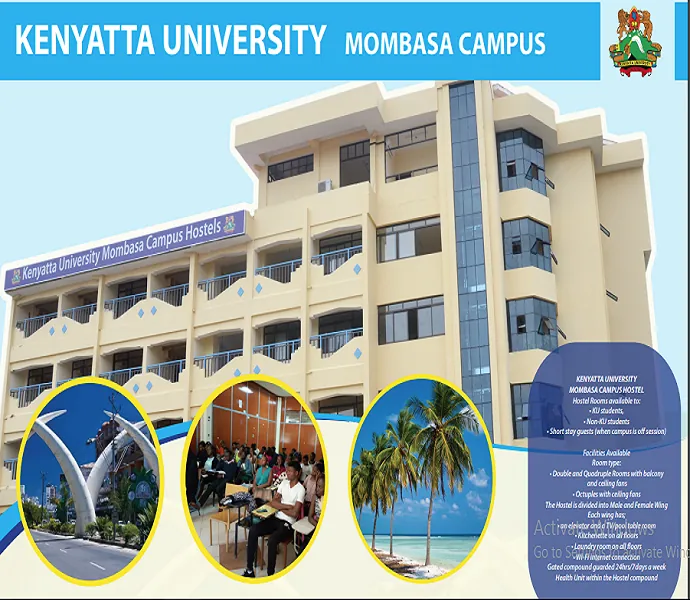
P.O. Box 16778-80100, Mombasa
Established 2007
7 Schools — Business, Education, Public Health, Hospitality & more
Visit Campus Page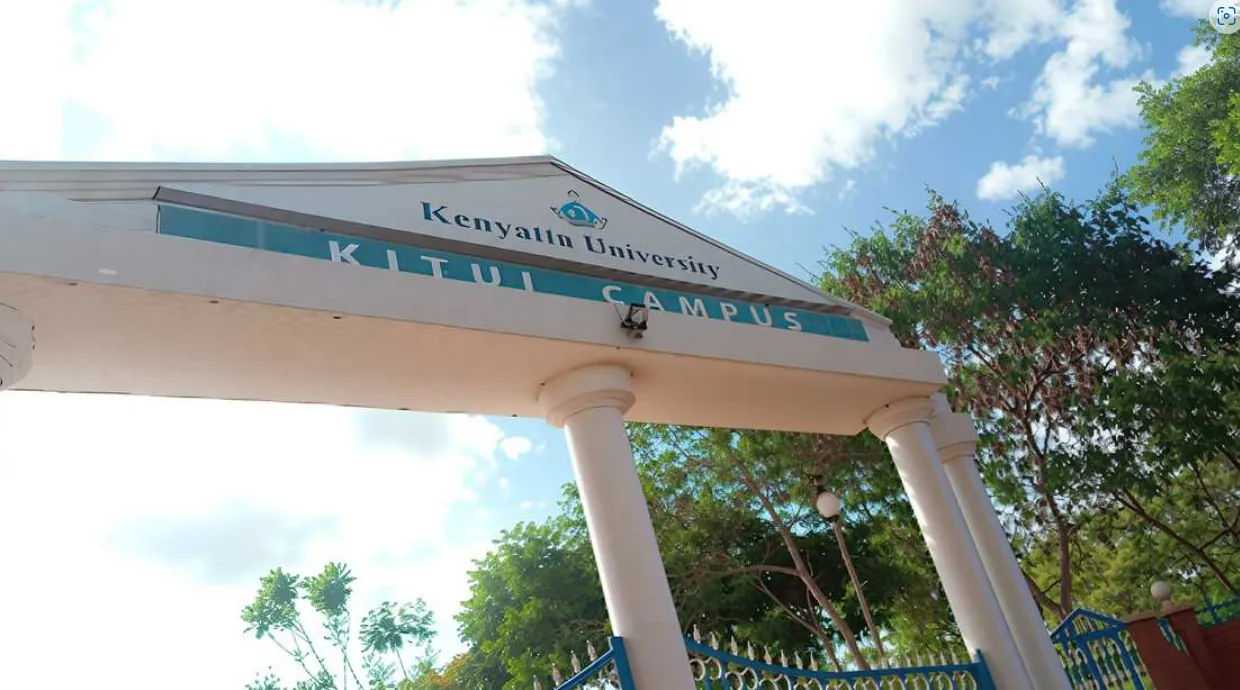
P.O. Box 410, Kitui
Established 2010
Agriculture, Environmental Science
School of Agriculture & Environment
P.O. Box 802-00600, Ngara, Nairobi
Established 2012
School of Law · Moot Court
Visit Campus Page
Haile Selassie Avenue, KU Plaza A & B, Nairobi
Established 2009
Degrees, Diplomas, CEP, DSVOL & Cisco Academy
Visit Campus Page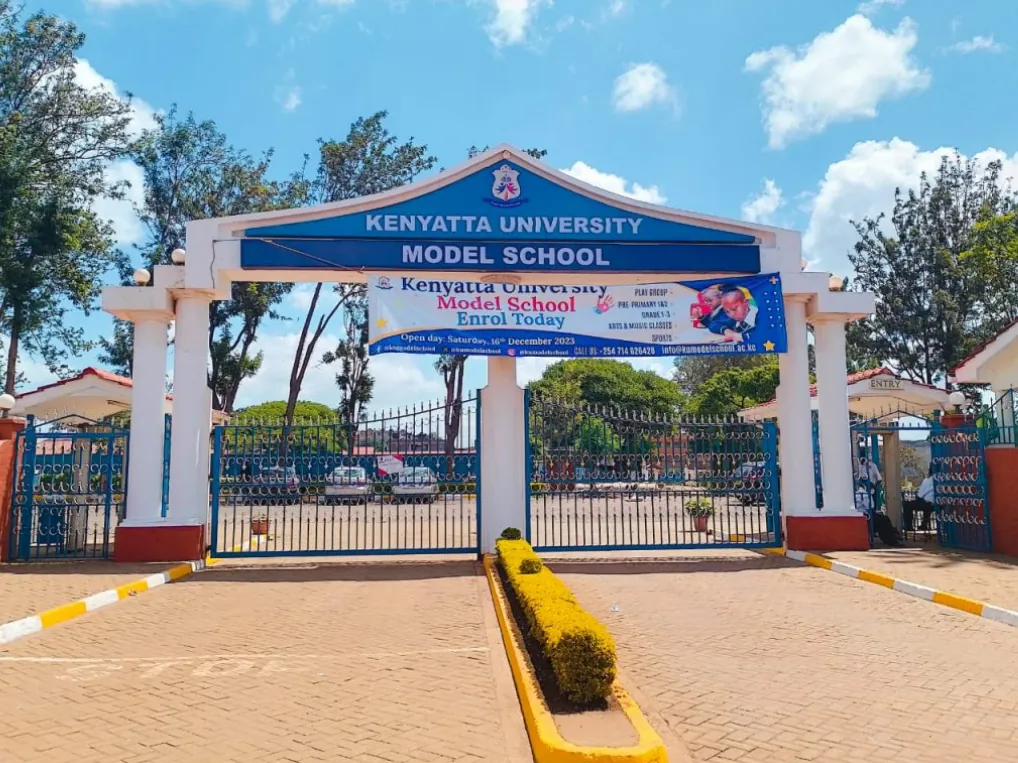
Gwa Kairu, Ruiru, Kiambu County (along Thika Road)
Established 2023
Playgroup, Pre-Primary 1–2, Grades 1–3 (CBC)
Visit School PageKenyatta University is governed by the University Council established under the Universities Act, 2012 (Laws of Kenya). The Council is the supreme governing body responsible for the strategic direction, policy oversight, and accountability of the university.






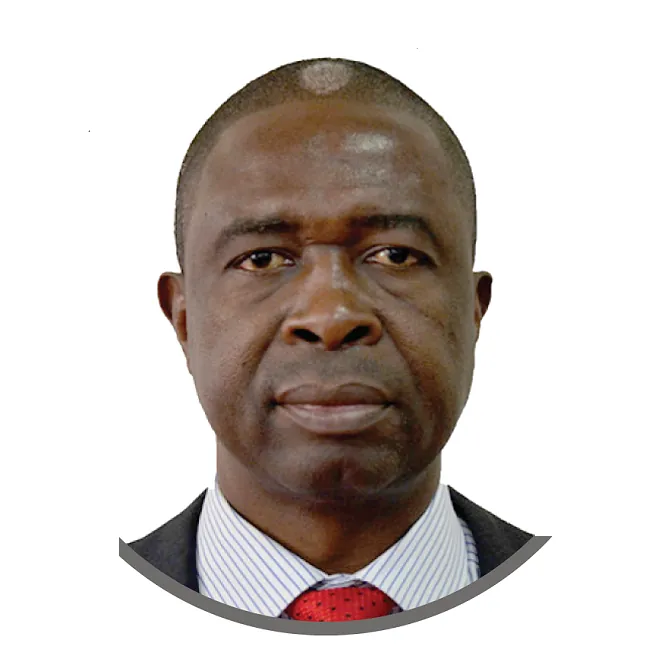
Approve the strategic plan and annual budget of the university
Appoint and evaluate the performance of the Vice-Chancellor
Receive and consider audit reports, and safeguard university assets
Approve policies and regulations governing academic and administrative affairs
Confer honorary degrees and other academic distinctions
Approve acquisition and disposal of property and major contracts
The University Senate is the supreme academic body chaired by the Vice-Chancellor. It is responsible for all academic matters including curriculum development, examination regulations, admission standards, and conferment of degrees. The Senate comprises all full professors, deans of faculties/schools, directors of institutes, and elected representatives of academic staff and students.
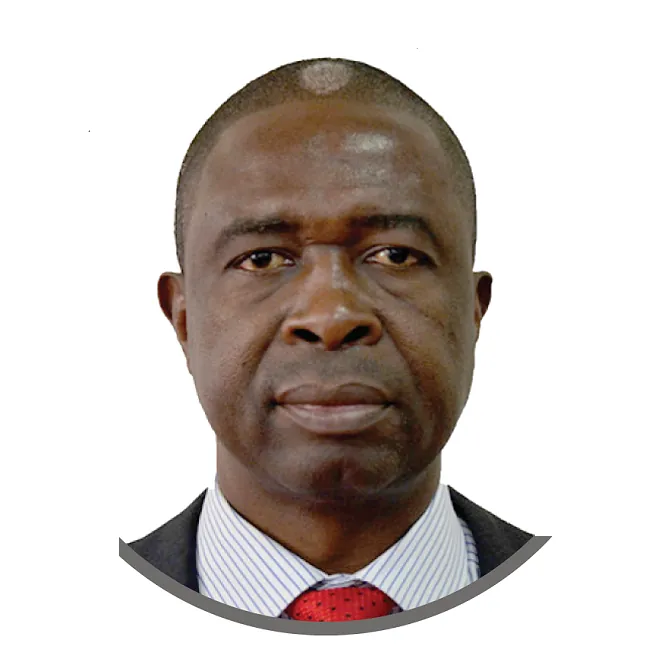
Deputy Vice-Chancellors



Registrars




Finance

KU's specialised centres bring together interdisciplinary expertise to tackle strategic priorities in leadership, entrepreneurship, gender, technology, legal access and global partnerships.
A regional hub for leadership development, policy dialogue and governance capacity building across Africa, in partnership with UN Women.
View Centre → Applied Entrepreneurship AcademyDelivers practical entrepreneurship training and startup support programmes for students, alumni and community members.
View Centre → Centre for Entrepreneurship and Enterprise Development (CEED)Aims to reduce poverty and unemployment by promoting entrepreneurship through research, training and consultancy. Offers short courses, capacity building, and SME development support aligned to Vision 2030. Director: Salima Kiriago. Contact: ceed@ku.ac.ke
View Centre → Centre for International Programmes and Collaboration (CIPC)Manages international student admissions, visa assistance, staff and student exchange programmes, and academic collaboration agreements with global institutions. Contact: director-linkages@ku.ac.ke
View Centre → Centre for Gender Equity & EmpowermentPromotes gender equality and inclusiveness, conducts GBV awareness training, enforces KU's sexual harassment policy, and collaborates with international partners including the University of Warwick. Director: Prof. Judith Ndombi Waudo. Contact: director-gender@ku.ac.ke
View Centre → ICT Professional Training and Certification (IPTCC)Offers professional ICT certifications and short courses for students, staff and the wider public in partnership with global technology firms.
View Centre → Intellectual Property Rights and CommercialisationManages patent registrations, IP licensing and the commercialisation of inventions arising from KU research activities.
View Centre → KU Baby Day Care CenterProvides quality early childhood care and education for children of students and staff, supporting work-life balance on campus.
View Centre → National Phytotherapeutics Research Centre (NPRC)A nationally recognised centre conducting research on medicinal plants and their therapeutic applications for public health benefit, in partnership with Kenya Medical Research Institute.
View Centre → Global Tourism Resilience and Crisis Management Centre (GTRCMC – EA)The East Africa hub of the global GTRCMC network, focusing on tourism resilience, crisis management and sustainable tourism policy research.
View Centre → KU Legal Aid Clinic (KULAC)Promotes human rights through access to justice in partnership with the KU School of Law. Operated by law students as part of the Public Interest Clinic course, serving underserved communities across Kenya including outreach in Kajiado, Makueni and Gatundu. Contact: legaloffice@ku.ac.ke
View Centre → KU Television (KUTV)KU's broadcast arm providing educational content, campus news and academic programming to the university and wider public.
View Centre →These departments deliver the operational and administrative services that support KU's day-to-day functions for students, staff and the wider community.
On-campus hostels and off-campus housing support for students.
View Department → ProcurementManages all university purchases, tenders and supplier contracts.
View Department → Financial Aid OfficeScholarships, bursaries, HELB coordination and financial support for students.
View Department → Transport ServicesInter-campus shuttles, fleet management and transport bookings.
View Department → Student AdmissionsProcesses undergraduate and postgraduate admissions for all programmes.
View Department → CateringCampus dining halls, cafeterias and special event catering services.
View Department →Main and branch libraries, digital resources and institutional repository. →
Coordinates all graduation ceremonies and certificate/transcript services.
View Department → Disability ServicesSupport and accommodations for students and staff living with disabilities.
View Department → University Health ServicesOutpatient clinic, pharmacy, dental, laboratory and emergency health services.
View Department → Community OutreachCoordinates community service, social impact programmes and university-community partnerships.
View Department → Alumni AssociationConnects KU graduates worldwide and coordinates alumni engagement, reunions and mentorship.
View Department → Corporate AffairsHandles public relations, brand management, communications and media relations for the university.
View Department →KU's research portfolio spans education, health, environment, technology, economics and social development, with funding from local and international partners.
Integrating sustainability principles into leadership education across East African universities.
View Project → STASHResearch project investigating adolescent health and schooling outcomes in sub-Saharan Africa.
View Project → RLC EA ProjectRegional Learning and Collaboration project for East Africa supporting education research and policy.
Visit Website → Urban Rental Housing and Climate Resilience ProjectExamining urban housing policy and climate adaptation strategies for low-income communities in Nairobi.
View Project → UComNetSus ProjectUniversity Community Networks for Sustainability — driving community-based sustainability innovations.
View Project → KU Women's Economic Empowerment (KU-WEE) HubEmpowering women entrepreneurs and students through skills training, mentorship and market access support.
View Project → National Phytotherapeutics Research Centre ProjectsResearch into medicinal plant extracts for treating common diseases, in partnership with Kenya Medical Research Institute.
View Project → IIDEMIC ProjectImproving Infectious Disease Epidemiology in Metropolitan areas — epidemiological research in Nairobi's urban corridors.
View Project → USAID HEROUSAID-funded Health, Education and Research Operations project focused on health systems strengthening.
View Project → Green Education HubPromoting green campus initiatives, environmental education and sustainable development across KU campuses.
View Project → Carnegie African Diaspora Fellowship Program (CADFP)Brings African diaspora scholars to KU for collaborative research, teaching and mentorship engagements.
View Project → KU GIS LabGeographic Information Systems laboratory supporting spatial data research in environment, urban planning and land use.
View Project →Kenyatta University operates two Competency-Based Curriculum (CBC) schools providing quality basic education on the main campus and in Nairobi.
A CBC-aligned model school on the KU Main Campus offering Early Childhood, Primary and Junior Secondary education. It also serves as a practical training ground for KU education students.
KU Academy provides quality CBC education with a focus on holistic development, critical thinking and excellence in academic and co-curricular activities.