
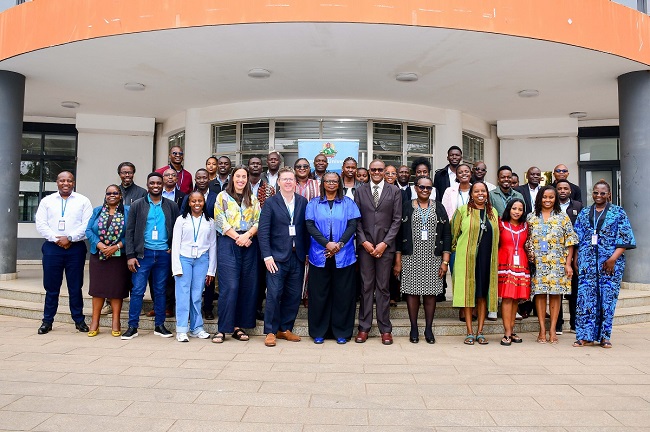
The future of African film and media education came into sharp focus at the CILECT Africa Regional Association (CARA) Teachers’ Forum 2026, hosted by Kenyatta University on 8th September 2026. The forum brought together academics, filmmakers, practitioners, students and industry professionals to reflect on the evolving landscape of creative education and the future of film and media training in Africa.
The forum created a vibrant platform for dialogue around its theme, Practice-Based Learning, Artistic Research and Decolonial Methodologies in African Film and Media Education. It challenged participants to rethink not only how film is taught, but also whose knowledge, histories, aesthetics and ways of seeing shape the learning experience.
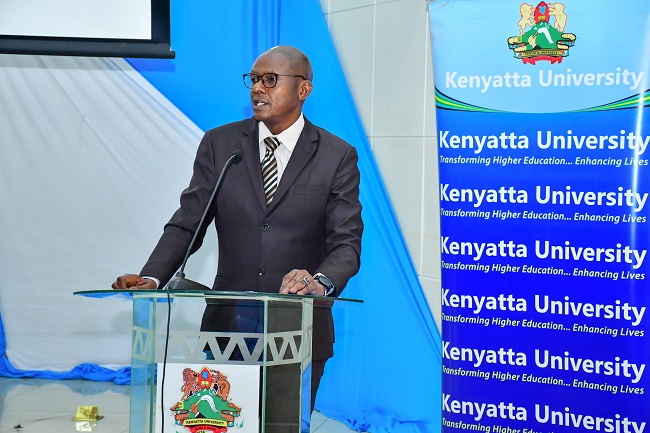
Representing the CILECT President, Mr. Barry Dignam, Chair of the Groupement Européen des Écoles de Cinéma et de Télévision (GEECT) and European representative on the CILECT Council, highlighted the enduring power of film and media to connect people and cultures. With artificial intelligence rapidly transforming creative production, he challenged participants to consider how technology can enhance creativity while preserving the human connection at the heart of storytelling and media.
Representing the Vice-Chancellor Prof. John Okumu, Chairperson of the CILECT Africa Regional Association , welcomed participants from Kenya, across Africa and beyond. He emphasised the importance of building strong intellectual relationships among African film schools and creating spaces where academics, practitioners and students can learn from one another, question established ideas and engage in productive debate.

A particularly memorable moment came during the keynote address by Ms. Njoki Muhoho, a film and television producer, scriptwriter, consultant and film education practitioner. Drawing from the richness of African oral storytelling, she used the story of the builders, the ogre and the small bird to provoke reflection on the role of technology, education and collaboration in shaping the future of the creative industry.
Her message was clear: as technology and AI continue to reshape filmmaking, educators and industry players must “hear, not merely operate.” Beyond delivering curricula and mastering technology, they must remain attentive to students, audiences, cultural realities and the changing needs of the industry.
There will be a three-day forum that positions Kenyatta University as a hub for fresh ideas, collaboration and critical reflection on the future of film and media education in Africa. Participants will engage in panel discussions, keynote presentations, practical sessions, film screenings and artistic showcases exploring African narratives, decolonial storytelling, curriculum innovation and AI.
The forum will also bring together educators, filmmakers, researchers, students and industry practitioners to discuss employability, industry linkages, representation and emerging learning spaces. More than a conference, it is a call to reimagine how Africa teaches, creates and tells its stories, strengthening Kenyatta University’s role in shaping the future of African film and media education